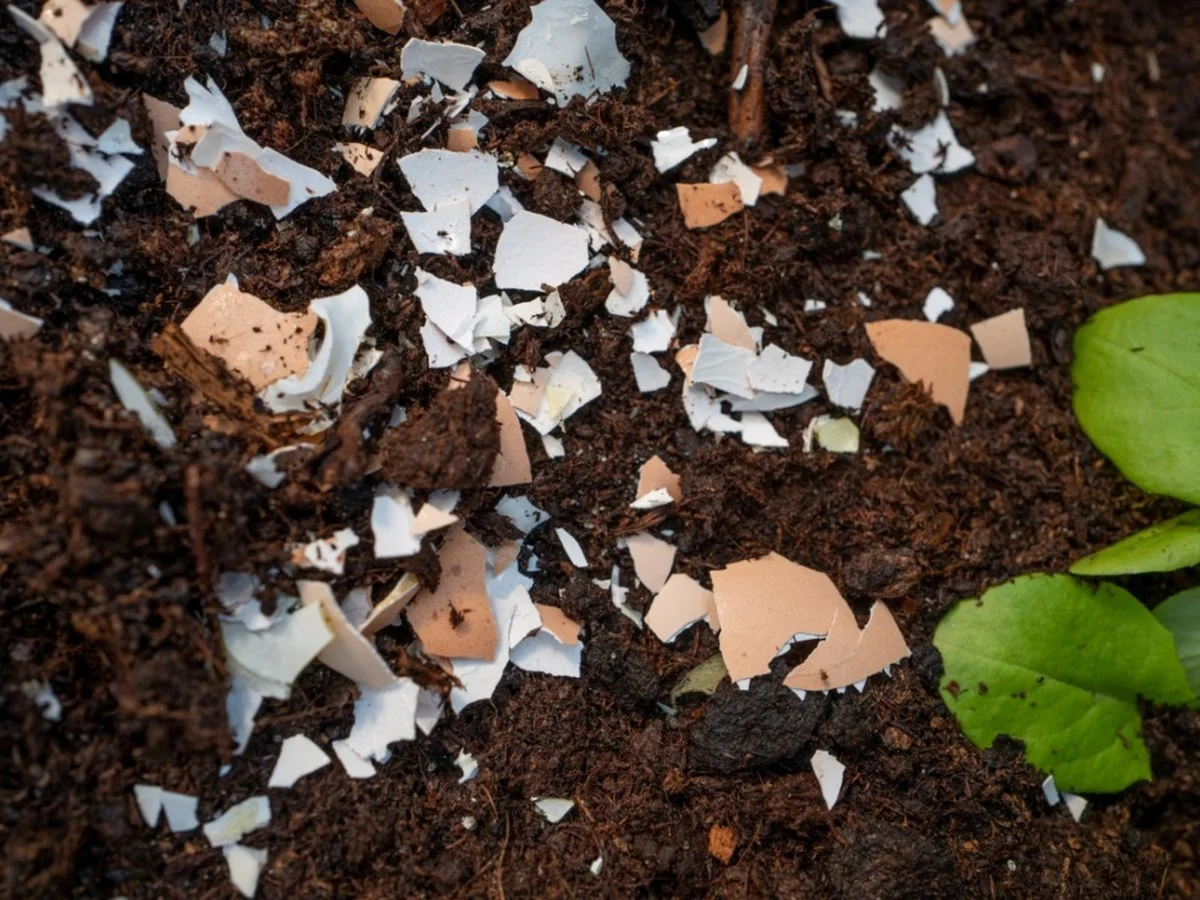
You spend hours nurturing your beautiful tomatoes and crisp lettuce, only to wake up one morning and find your precious sprouts mutilated. Slugs and snails are the silent assassins of the French garden, leaving a trail of frustration and wasted effort. Before you rush to the local jardinerie near Lyon or Bordeaux to buy yet another costly chemical treatment, stop. I noticed something simple that top organic growers swear by, a kitchen scrap you throw away every single day. This hack is faster, cheaper, and works better than those toxic blue pellets.
"But my shells don't work!": The Common Mistake that Destroys the Anti-Pest Barrier
In my practice, I’ve seen countless frustrated gardeners scatter a few large, poorly rinsed eggshell chunks around their plants, only to complain that the slugs waltz right over them. Many overlook the crucial preparation stage. This isn't just about calcium enrichment; it’s about creating a true physical and chemical defense.
The Triple-Action Power of a Perfectly Prepared Shell
Eggshells aren't just crunchy waste. When prepared correctly, they fulfill three vital roles that drastically improve plant health and protection. Think of it as a natural, microscopic armor plating for your soil.
1. The Barricade Effect:
Slugs and snails have delicate foot tissue. They avoid navigating sharp or rough terrain. However, large pieces are easily bypassed. The real secret? Maximum fragmentation.

2. The Calcium Turbocharge:
Like you need a good steak frites for iron, your plants need calcium. This is especially true for tomatoes and peppers, where calcium deficiency leads to 'blossom-end rot' (that depressing black patch at the bottom of your fruit). Instead of buying specialized minerals, you have the solution right there.
3. The Soil Structure Stabilizer:
Here’s the non-obvious part: the tiny, sharp pieces help aerate dense soils, common after a wet spring in regions like Brittany or Normandy. They act like miniature anchors, preventing the soil from compacting too much around sensitive roots.
The 4-Step Process for Creating the Ultimate Eggshell Defense (The 'Crush & Toast' Method)
Forget simply dropping them in the mixer. To engage the triple benefits, you need to follow these exact steps. I promise, the extra five minutes of prep time will save you weeks of battling pests.
- Rinse Immediately: Always rinse out the shells right after use. Residual egg white will attract flies, not deter pests.
- The Oven Cure (Crucial Step): Place the clean shells on a baking sheet and bake them for 10-15 minutes at about 150°C. This sterilizes them, ensuring you don't introduce any diseases (like salmonella) into your garden, and, more importantly, makes them incredibly brittle for the next step.
- The Powder Crush: Don’t just crack them. Use a blender, a food processor, or even a rolling pin in a heavy-duty bag. You want a gritty powder or sand-like consistency, not large flakes. The finer the powder, the sharper the deterrent.
- The Moat Application: Apply a dense ring of this shell powder directly around the base of the plant. The barrier should be about 2-3 cm wide. Think of it as creating a permanent obstacle course the slugs will refuse to cross.
Beyond Snails: What Eggshells Can Do for Your Balcony Herbs
You don't need a sprawling French countryside garden to benefit. If you’re growing herbs in containers on a Parisian balcony or in a small Marseille courtyard, the shells are fantastic for controlling soil pH.
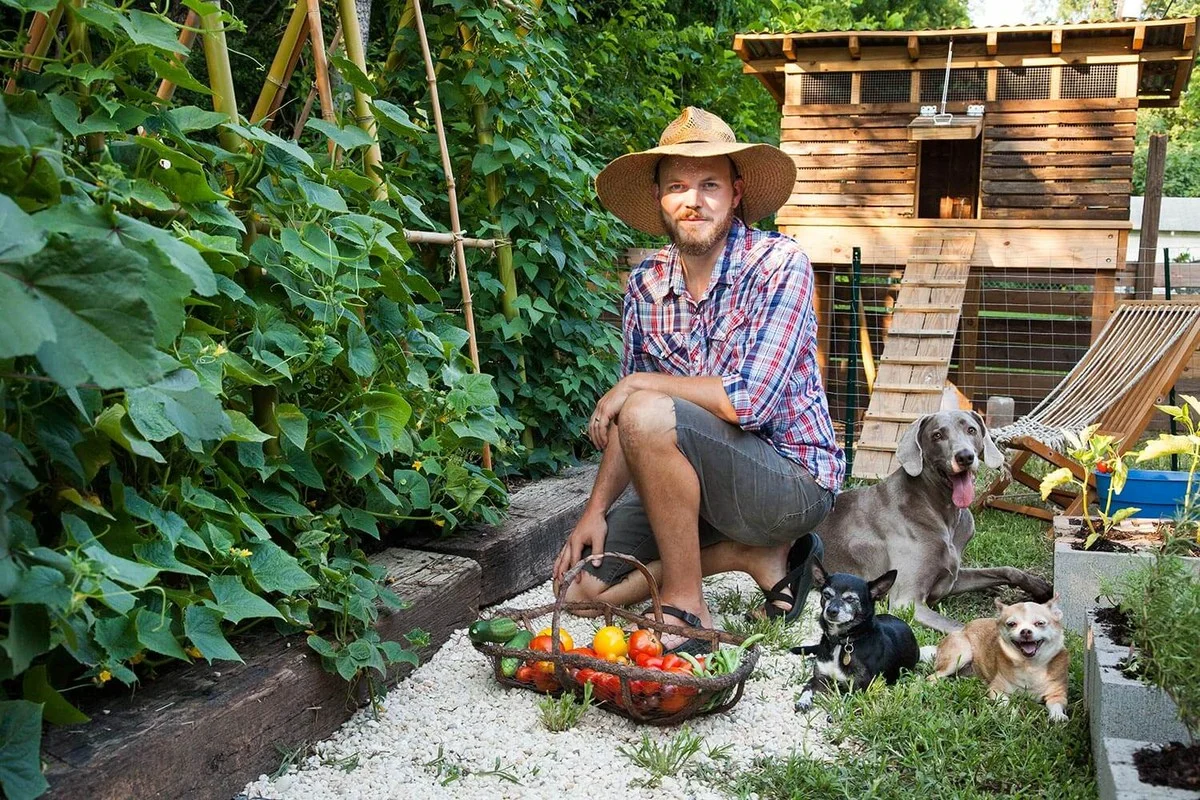
- Tomato Booster: Mix a spoonful of the powder into the hole before planting young tomato seedlings. Immediate calcium supply reduces the risk of blossom rot.
- Seed Starting: Use large shell halves as biodegradable seed starters. Plant a seed in the shell filled with soil, and when it’s time to transplant, just gently crush the bottom and plant the whole thing in the ground. No transplant shock!
- Coffee Alternative: If your soil is particularly acidic (many commercial potting mixes are), the shells will naturally help neutralize it over time, creating a better environment for most vegetables.
By the way, many local organic nurseries near Toulouse or Lille now charge a premium for "calcium amendments." You are throwing away dozens of euros every month!
The Hidden Chemical Warning Many Gardeners Ignore
I must warn you about one thing: never use eggshells from mass-produced eggs used in some industrial kitchens or bakeries if you are unsure of their provenance. Why? Some large farms use chemical washes or subtle pesticides on the shells before packaging. Always prioritize shells from free-range or organic eggs (the ones labeled "FR" or "Bio" in your local supermarket).
This isn't paranoia; it's a way to ensure your organic effort doesn't introduce hidden contaminants. If you're not sure, stick to the shells you personally cracked at home.
Stop fighting nature; start integrating your kitchen waste into your garden's defense system. The beauty of this method is that it requires consistency, not cash. Go grab your food processor and save your precious harvest.
And you, dear gardener, what is the most surprising kitchen scrap you've successfully used in your battles against garden pests?